Featured Case Studies
Detailed examples demonstrating clinical validation and real-world impact across specialties.
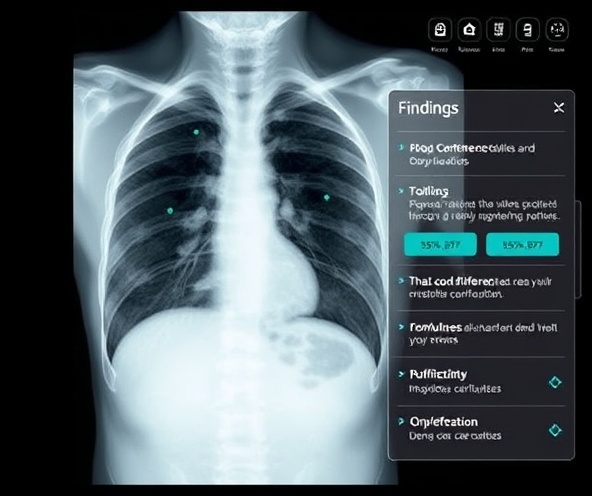
Chest X-Ray Analysis for Nodule Detection
A major regional hospital deployed Swamy's Neural Systems for screening chest X-rays in their emergency department. The model assists radiologists in identifying potential nodules and infiltrates, reducing time-to-diagnosis.
Key Outcomes:
- ✓ 32% reduction in time-to-report for chest X-rays
- ✓ 95% sensitivity in nodule detection
- ✓ Improved clinician confidence through explainable AI annotations
Clinical Impact:
Earlier identification of concerning findings enabled faster specialist referrals and improved patient outcomes in a fast-paced ED environment.
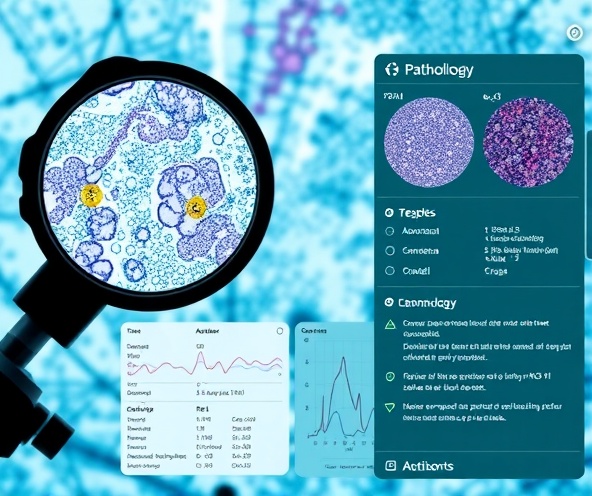
Tissue Classification & Grading
A leading academic medical center uses Swamy's Neural Systems to assist in histopathology review. The model analyzes digital pathology slides and provides preliminary tissue classification, grading, and diagnostic suggestions.
Key Outcomes:
- ✓ 87% accuracy in tissue type classification
- ✓ Consistent grading recommendations aligned with Gleason scoring
- ✓ Enhanced quality assurance workflow
Clinical Impact:
Pathologists report increased efficiency in slide review and confidence in diagnostic recommendations, particularly for complex cases.
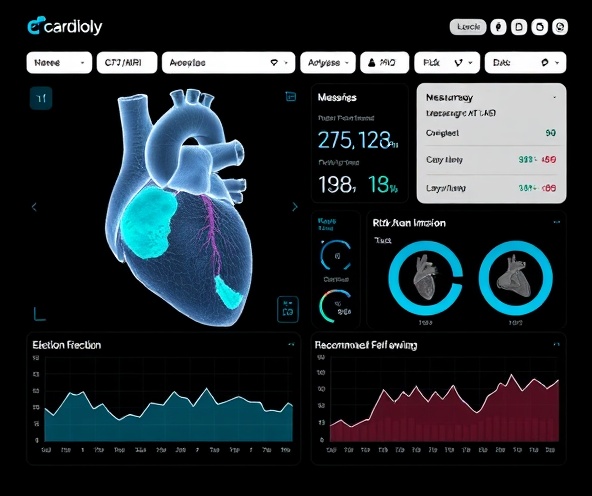
Cardiac Imaging Analysis & Risk Stratification
A cardiac center integrated Swamy's Neural Systems into their imaging workflow for CT and MRI analysis. The model quantifies cardiac measurements, identifies structural abnormalities, and provides risk assessments.
Key Outcomes:
- ✓ Automated cardiac measurements with 98% accuracy vs. manual
- ✓ Early detection of structural anomalies improving intervention timing
- ✓ Standardized risk stratification for patient management
Clinical Impact:
Reduced workload for cardiologists while improving consistency of measurements and enabling more data-driven clinical decision-making.
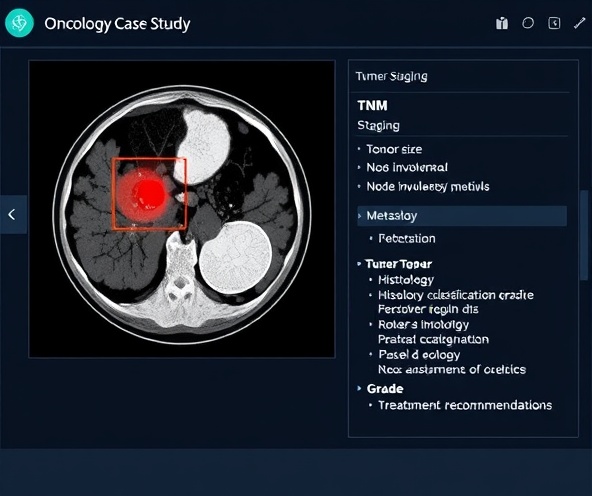
Tumor Analysis & TNM Staging
A comprehensive cancer center uses Swamy's Neural Systems to assist in tumor characterization, measurement, and TNM staging. The model analyzes imaging and provides standardized staging data.
Key Outcomes:
- ✓ Consistent TNM staging recommendations aligned with AJCC criteria
- ✓ Automated tumor measurements enabling precise treatment planning
- ✓ Improved prognostic accuracy and treatment selection
Clinical Impact:
Oncologists report improved staging accuracy and consistency across tumors, enabling more precise treatment protocols and better patient stratification for clinical trials.